
TL;DR: A ball of millions of sardines swims year-round just 20–30 meters off Panagsama Beach in Moalboal — no boat, dive certification, or tour required. DIY cost is about ₱300–350 (US$5–6): a ₱100 environmental fee plus mask/fin rental. A local guide adds ₱300–500, and scuba options run ₱1,500–2,500. Go 6:00–8:00 AM for the clearest water and thinnest crowds, and budget the same swim for a stop at Turtle Point a few meters away. Verified July 2026.
The Moalboal sardine run is the rare wildlife encounter that’s both genuinely spectacular and genuinely cheap: a shifting, silver, football-field-sized ball of sardines that lives permanently in the shallow water off Panagsama Beach, visible most days of the year. You don’t need a liveaboard, a whale shark-style tour bus, or open-water certification — you need a mask, fins, and the willingness to swim about 30 meters from the sand. This guide is dedicated purely to the sardine-run experience itself: what it costs, when to go, snorkel versus freedive versus scuba, and how to fold in the sea turtles that share the same water. If you’re planning a full day around Moalboal — Pescador Island, the drop-off wall, canyoneering nearby — see our Moalboal sardine run and island-hopping guide instead; this one stays narrow and practical.
Moalboal Sardine Run at a Glance
| Option | Cost (₱) | Cost (US$) | What’s included |
|---|---|---|---|
| DIY snorkel (no guide) | ₱300–350 | $5.17–6.03 | ₱100 beach environmental fee + mask/fin rental |
| Snorkel with local guide | ₱600–850 | $10.34–14.66 | Above + ₱300–500 guide fee, often with a life vest |
| Discover scuba (no certification) | ₱2,000–2,500 | $34.48–43.10 | Full gear, instructor, single guided dive |
| Fun dive (certified divers) | ₱1,500–2,000 | $25.86–34.48 | Tank, weights, guide; bring or rent your own gear |
| Underwater camera/GoPro rental | ~₱500 | ~$8.62 | Camera + housing for one session, sometimes with a guide |
| Guided day tour from Cebu City | ₱800–1,500 | $13.79–25.86 | Transport, guide, gear, usually a half-day |
Prices vary by dive shop and season — confirm before booking. Verified July 2026.
How Do You Get to the Sardine Run?
You walk into the water from Panagsama Beach — there’s no boat leg for the sardines themselves. Base yourself in Moalboal town (about 89 km / 2–2.5 hours from Cebu City by bus or private van; see our Cebu City to Moalboal guide) and take a short tricycle ride to Panagsama, the beachfront strip lined with dive shops, hostels, and restaurants where the sardine run sits just offshore. Any accommodation directly on Panagsama puts the sardines a five-minute walk from your door — see where to stay in Moalboal if you want to book close to the water.
What Does It Cost to See the Sardines?
The floor is around ₱300–350 (US$5.17–6.03): a ₱100 environmental fee collected at the Panagsama Beach entrance, plus ₱200–250 to rent a mask and fins from any of the shops lining the sand. That’s the whole DIY snorkel — no boat, no guide, no dive shop package needed, since the sardine ball sits close enough to shore to reach on your own.
Hiring a guide adds ₱300–500 on top, usually bundled with a life vest and sometimes a buoy you can hang onto between dives. It isn’t strictly required to see the ball, but it helps if you’re not a strong swimmer, want someone who knows exactly where the school is sitting that day, or want a hand getting decent photos. Some 2025–2026 visitor reports mention guides being encouraged or checked for in parts of Panagsama — enforcement isn’t consistent across accounts, so ask at your dive shop or the barangay tourism desk when you arrive, and keep ₱300–500 in your budget just in case.
Scuba pushes the cost up: a discover scuba dive (no certification needed) runs ₱2,000–2,500, and a fun dive for certified divers runs ₱1,500–2,000, both through Panagsama’s dive shops. Day tours bundled out of Cebu City, with transport and gear included, typically land at ₱800–1,500 per person.
When Is the Best Time of Day to Go?
Early morning, roughly 6:00–8:00 AM, before the water fills with other snorkelers and dive boats. Visibility is at its best right after sunrise, the light angle is better for photos, and the sardine ball itself tends to sit shallower and more compact before boat traffic and midday swimmers scatter it. By mid-morning on a busy week, you’re sharing the same patch of water with a dozen tour groups, and the ball often thins out or moves deeper to avoid the crowd. If you can only go once, set an alarm for sunrise.
Snorkel, Freedive, or Scuba — Which Should You Choose?
Snorkeling is enough to have the full experience. The sardines swim shallow — from about 1 to 10 meters down — so a surface snorkeler swimming through the edges of the ball, or diving down a few breaths at a time, gets fully surrounded without needing tanks.
Freediving down a few meters gives the more dramatic shot: shooting up through the school toward the surface light is the classic sardine-run photo, and it’s popular enough that some Panagsama shops run short freediving intro sessions aimed specifically at this. If you want to go further, look at a proper freediving course rather than a one-off session.
Scuba adds cost and, for the discover dive, an instructor at your side the whole time — worth it if you want to linger at depth longer than a breath-hold allows, or combine the sardines with a dive on the nearby drop-off wall or a boat trip to Pescador Island in the same day. For a sardines-only outing, it’s the most expensive option for the least extra payoff.
Can You See Turtles in the Same Swim?
Yes, and most visitors do. Turtle Point sits in the same shallow reef flat you cross on your way out to the sardines — turtles typically feed on algae over the reef in water only 0.5–2 meters deep, close to shore, while the sardine ball itself sits in the slightly deeper water just beyond. A single 20–30 minute swim from the beach commonly covers both: turtles near shore, sardines a little further out. If turtles are your main draw, budget extra time to hover patiently near the reef rather than swimming straight past toward the sardine ball.
What Should You Bring — and What Should You Skip?
- Reef-safe sunscreen or a rash guard — you’ll be face-down in the sun for 20–30 minutes.
- Your own mask if you have one. Rental masks fog and leak; if you snorkel often, bringing a mask you trust is worth the suitcase space.
- A GoPro or waterproof housing, not your bare phone. A phone in a cheap plastic bag will flood; rent a proper action camera from a Panagsama shop for about ₱500 a session if you don’t own one.
- Cash in small bills for the environmental fee and gear rental — most beachfront shops aren’t set up for cards.
- Skip the full-day boat charter if the sardine run is your only goal. It’s a shore swim; save the boat budget for Pescador Island or a wider hopping loop.
The Honest Take
The sardine run earns its reputation — it’s a five-minute swim from a beach hostel to being fully encircled by a shifting silver wall of fish, and it costs less than a meal. That’s rare. The trade-off is timing: this is one of the most Instagrammed things to do in Cebu, and by mid-morning the same water gets crowded with snorkel groups, dive boats, and photographers all crowding the same patch of ocean, which stresses the school and thins the visual effect. Go at sunrise if you want the version everyone posts about.
The guide situation is worth a straight answer too: this genuinely can be done for free beyond the ₱100 environmental fee, and plenty of travelers still do it solo. But guide norms in Moalboal have been tightening, and paying ₱300–500 for a local guide is a small price for supporting the community that maintains this reef and for someone who can find the ball fast on a day it’s moved. If you’re an inexperienced swimmer, skip the debate and hire one regardless.
Combine It With the Rest of Moalboal
The sardine run pairs naturally with a swim past Turtle Point and, if you want a full day on the water, a boat trip out to Pescador Island for the drop-off wall and reef diving. For the complete itinerary — sardines, turtles, island hopping, and where to eat and sleep around Panagsama — see our Moalboal sardine run and island-hopping guide, and check where to stay in Moalboal for beachfront options within walking distance of the water. If you’d rather book a guided outing than go solo, compare Moalboal sardine run and snorkeling tours on Klook or browse Moalboal hotels on Agoda to lock in a room on Panagsama before you go.
Sources
- WhyCebu — Sardine Run Moalboal complete guide (fees, gear rental, camera rental pricing)
- PhilippineTravels.ph — The Moalboal Sardine Run: A Complete 2026 Guide (guide fees, scuba pricing)
- Backpacking With a Book — Moalboal Sardine Run Guide (DIY access, cost breakdown)
- Greta’s Travels — Swim With The Sardine Run & Turtles In Moalboal (Turtle Point distance and depth)
- Guide-fee and enforcement details cross-checked against multiple 2025–2026 visitor reports; confirm current guide norms locally before you go. Verified July 2026.
Book Tours & Hotels for This Trip
Find and book the best deals — prices and availability update in real time. Links open in a new tab.
Where to stay near Moalboal
Top-rated hotels for this trip — tap through to check live rates.
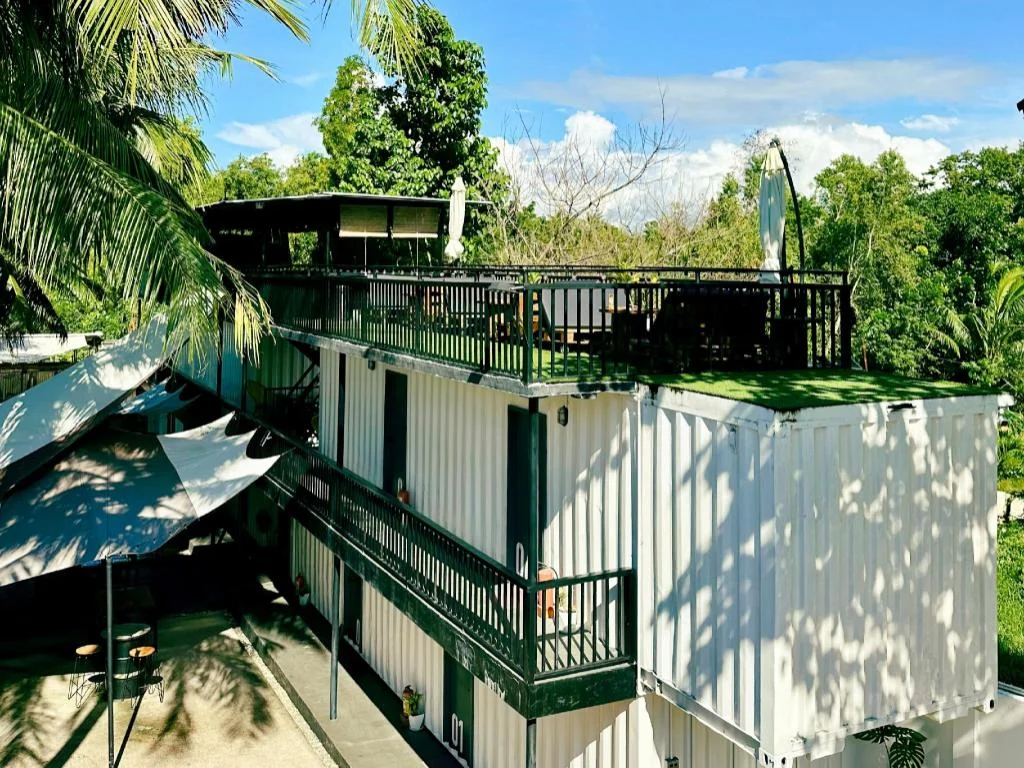
PIG DIVE HOSTEL MOALBOAL
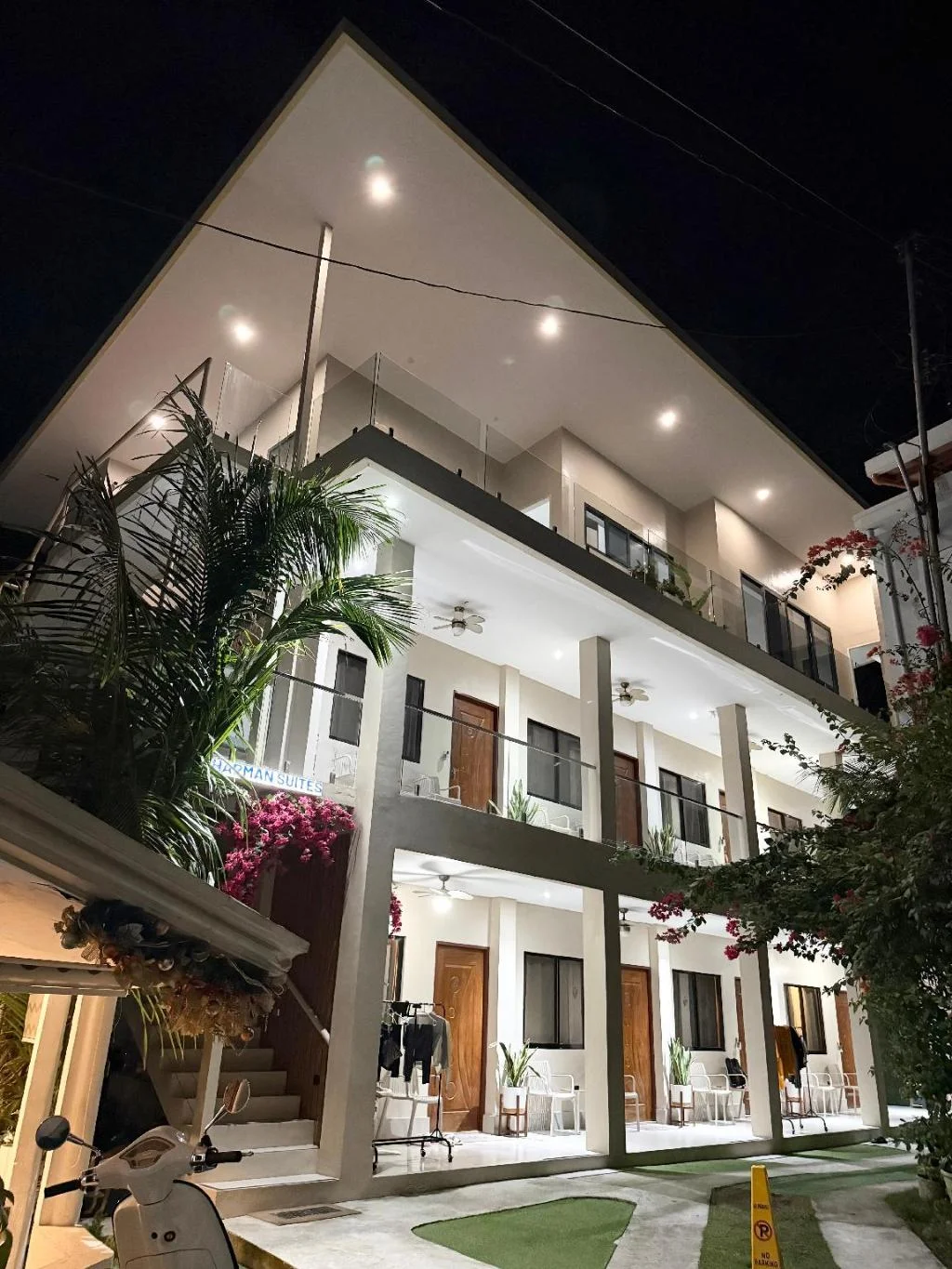
Harman Suites Moalboal
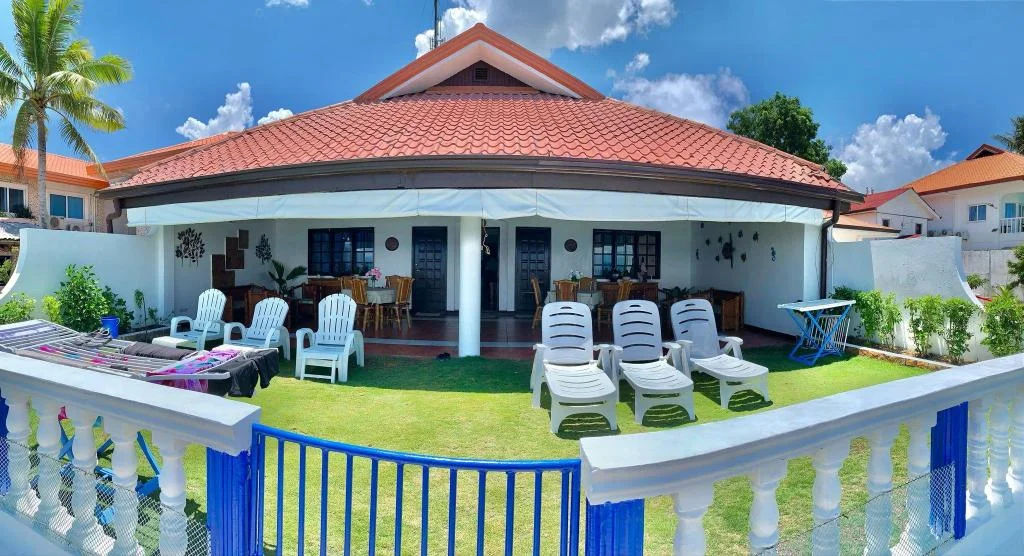
Il Sogno Resort
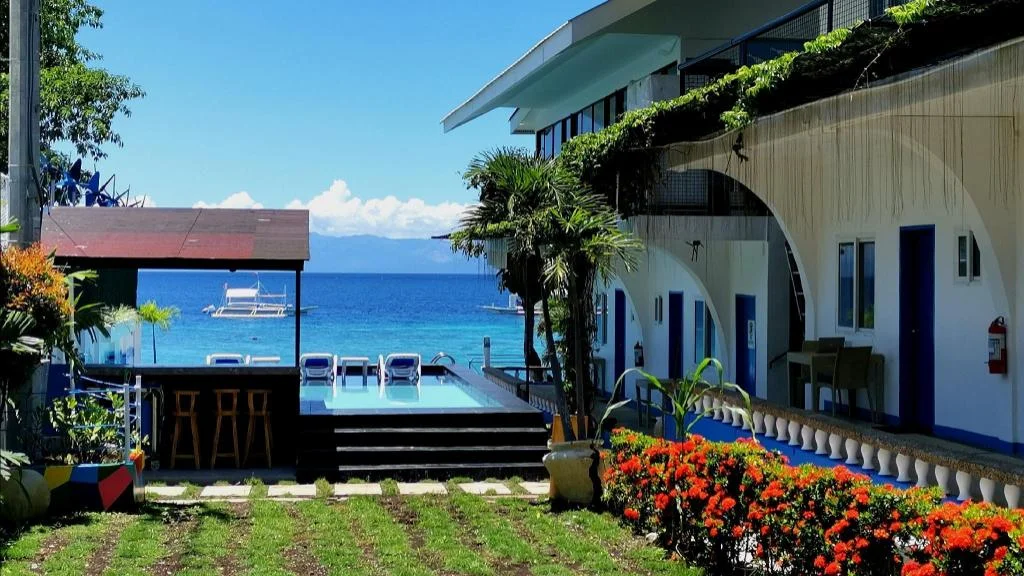
Pescadores Suites Moalboal
Prefer a rental? Vacation rentals near Moalboal
Self-catering condos and apartments — book the exact unit, kitchen included.
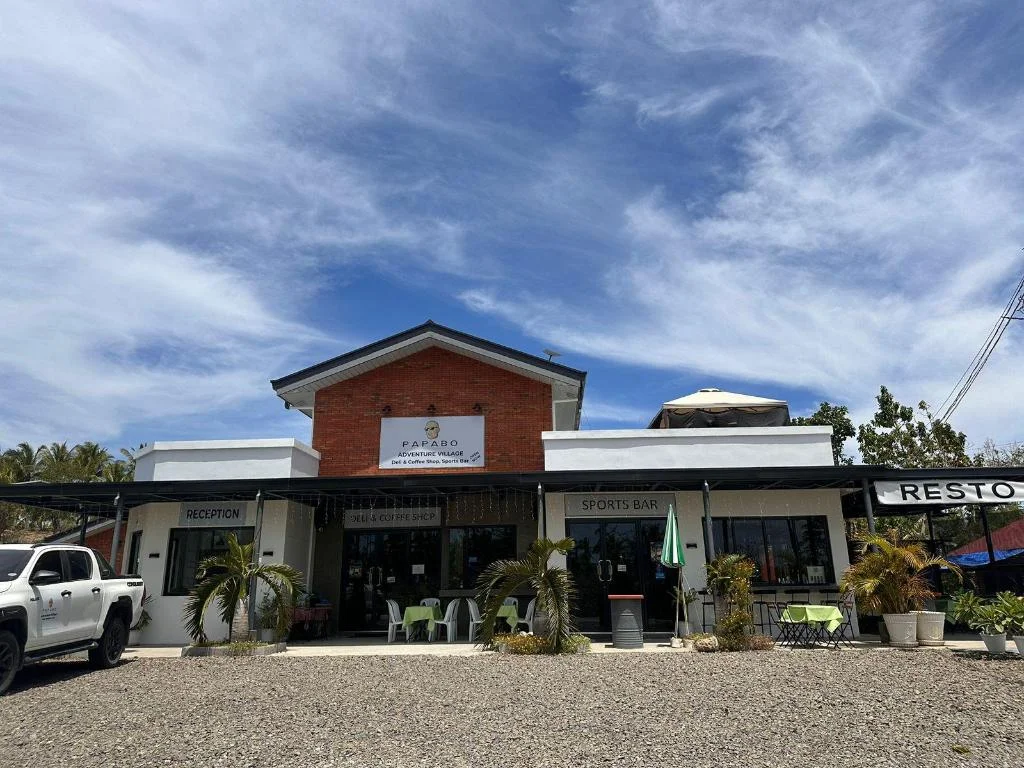
PAPABO Adventure Village
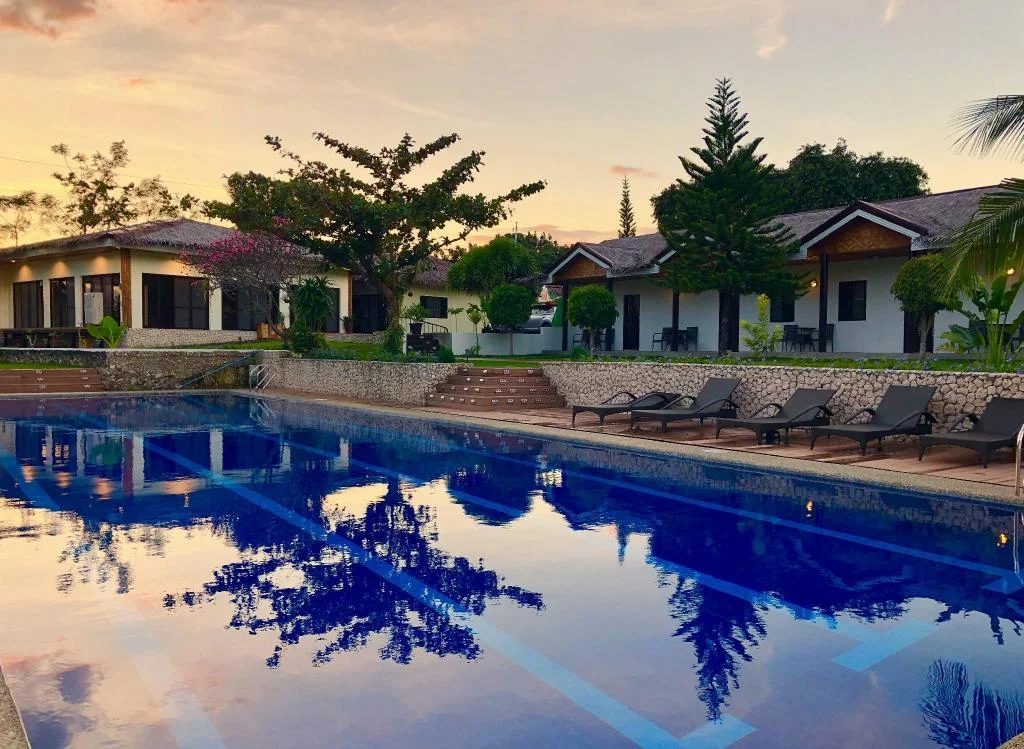
Casa de Moalboal
Althea Appartelle
Before you go
Frequently asked
How much does the Moalboal sardine run cost?
Do you need a guide to see the sardine run?
What's the best time of day to see the sardines?
Can I see the sardines and turtles in the same swim?
Snorkel, freedive, or scuba — which is best for the sardine run?
Is the Moalboal sardine run worth it?
Do I need a boat to reach the sardines?
Will my phone camera work underwater at the sardine run?
More Places to Explore
Moalboal Sardine Run
Moalboal
Swim with millions of sardines in one of the world's only year-round sardine runs, just meters from shore.
Panagsama Beach
Moalboal
Moalboal's main beach and diving hub, famous for the sardine run and sea turtles just meters from shore.
Turtle Point
Moalboal
Swim alongside green sea turtles in their natural habitat at this reliable turtle-spotting destination.
Pescador Island
Moalboal
A world-class marine sanctuary featuring The Cathedral underwater cave and exceptional wall diving.