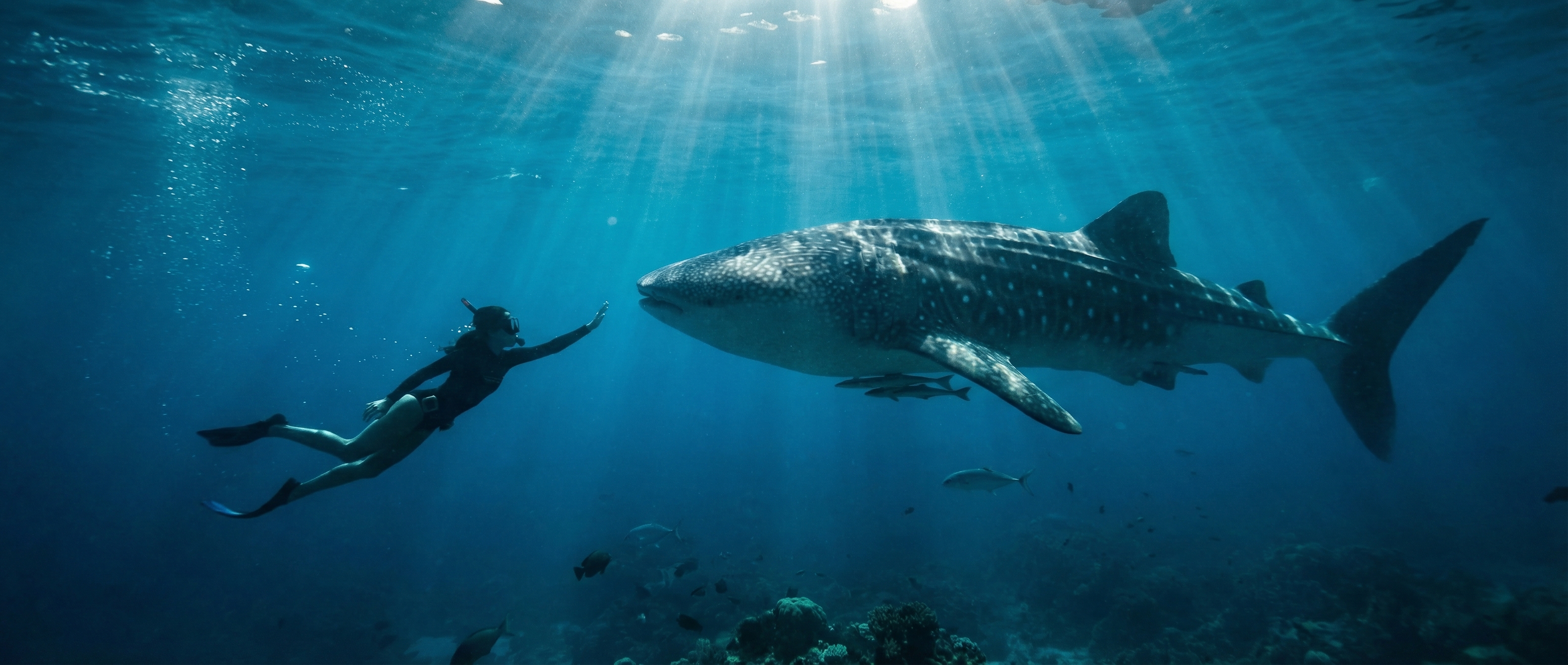
Everything you need to snorkel Moalboal's year-round sardine run, swim with turtles, and island-hop to Pescador — costs, gear, best time, and how to get there, from a Cebu local.
Quick Answer: Moalboal's sardine run is one of the world's only year-round sardine runs and you can snorkel it for almost nothing — the school sits just 20–30 meters off Panagsama Beach, so you skip the boat entirely and pay only a ₱25–100 environmental fee plus ₱100–150 for gear rental. Go at sunrise (6–8 AM) for the tightest bait balls. To add Pescador Island and turtle point, a shared snorkeling island-hopping boat runs ₱500–800 per person. Browse Moalboal tours on Klook. ₱58 = US$1, June 2026. Verified June 2026.
Costs at a Glance (2026)
| What | Price (₱) | USD ≈ | Notes |
|---|---|---|---|
| Sardine run — shore snorkel | Free + ₱25–100 env. fee | <$2 | Swim 20–30 m off Panagsama Beach |
| Snorkel gear rental (mask + fins) | ₱100–150 | ~$2–3 | Bring your own to skip this |
| Guide fee (if required) | ₱300–500 | ~$5–9 | Sometimes mandatory — check locally |
| Turtle Point — from shore | Free | — | In front of Quo Vadis Dive Resort |
| Turtle Point / sardine run — boat tour | ₱500–800 | ~$9–14 | Short banca ride |
| Pescador Island — marine park fee | ₱100 | ~$2 | Usually bundled into boat price |
| Shared island-hopping boat | ₱500–800/person | ~$9–14 | Covers sardines, turtles, Pescador |
| Bus: Cebu City → Moalboal | ₱150–200 | ~$3–4 | Ceres bus, 3–4 hours |
| Tricycle: Moalboal town → Panagsama | ₱50–100 | ~$1–2 | About 10 minutes |
Prices in Philippine Peso. ₱58 ≈ US$1, June 2026. Verified June 2026.
What Is the Moalboal Sardine Run?
The Moalboal sardine run is a permanent school of millions of sardines that gathers just 20–30 meters off Panagsama Beach, forming tornado-like silver formations you can snorkel straight through. Unlike sardine runs elsewhere in the world — South Africa's famous run is a brief seasonal migration — Moalboal's sardines are present year-round. They moved here in 1998 and never left, likely because of the abundant plankton and the shelter of the reef.
This is the rare bucket-list marine experience that requires no boat, no dive certification, and almost no money. You walk in off the beach, swim out a short distance, and the bait ball is right there. When the school parts and re-forms around you, it's one of the most surreal things you can see underwater anywhere in the Philippines.
The sardine run sits off Barangay Basdiot, near the old jetty in front of Marina Village Dive Resort and Savedra Dive Center. The water is deep enough to free-dive down through the school but shallow enough that floating on the surface with a mask is more than enough.
How Much Does It Cost to Snorkel the Sardine Run?
Snorkeling the sardine run from shore is essentially free. You pay a ₱25–100 environmental fee (collected locally) and, if you don't have your own kit, ₱100–150 to rent a mask and fins. That's it — no boat, no tour required.
A few caveats worth knowing:
- Guides may be required. As of recent seasons, some local rules call for a guide at ₱300–500. This changes — confirm at the beach before you swim out.
- Bring your own gear if you can. Rentals are cheap but a well-fitting mask you trust beats a foggy rental every time.
The Moalboal sardine run is one of the cheapest world-class marine experiences on the planet: you can snorkel through millions of sardines off Panagsama Beach for under ₱200 (about US$3) including the environmental fee and gear rental, with no boat or scuba gear needed (verified June 2026).
When Is the Best Time to See the Sardine Run?
Go at sunrise — around 6:00 to 8:00 AM. The bait balls form their tightest, most dramatic tornado shapes in the early morning, and the school tends to scatter as the day warms up and boat traffic picks up. Early morning also means calmer water, better light for photos, and far fewer snorkelers crowding the school.
Seasonally, the sardines are reliable year-round because they don't migrate. What changes is the conditions around them: the dry season, November to May, brings calmer seas and better visibility. June to October can be wetter with rougher surface chop, but the sardines are still there.
Don't touch or chase the school — let it move around you. An underwater camera is a must; the formations are the whole point.
Where Do You See Turtles in Moalboal?
Green sea turtles graze the seagrass at Turtle Point, just off Panagsama Beach in front of Quo Vadis Dive Resort, and it's one of the most reliable turtle encounters in the Philippines. It's common to see multiple turtles in a single session, and they're so used to people that they barely react.
You have two ways in:
- Swim from shore — free. Head out from Panagsama in front of Quo Vadis and look near the seagrass beds.
- Boat tour — ₱500–800. A short banca ride drops you right on the spot, often bundled with the sardine run.
Turtles are most active in the morning, so this pairs perfectly with a sunrise sardine session. Keep a respectful distance, never touch or chase them, and don't block their path to the surface — they need to breathe.
Can You Snorkel Pescador Island? (Island Hopping)
Yes — you can snorkel Pescador Island, although it's most famous as a world-class dive site. Pescador is a tiny limestone island in the Tañon Strait about 4 km off Moalboal, a marine protected area since 1990, with dramatic walls dropping from 5 meters to over 40. Its signature feature, The Cathedral underwater cavern, is for certified divers only, but snorkelers still get vibrant coral and schooling fish along the shallow reef edges as the boat circles the island. You can't land on Pescador — it's uninhabited — so the banca loops it while you snorkel.
The boat ride from Panagsama takes about 15–20 minutes, and there's a ₱100 marine park fee, usually rolled into the tour price.
A typical snorkeling island-hopping circuit strings together three stops:
- Sardine run at Panagsama (sunrise start)
- Turtle Point for green sea turtles
- Pescador Island for the reef walls
A shared snorkeling boat covering all three runs ₱500–800 per person, including the boat and marine park fees. A private banca for your own group costs more but lets you set the pace and timing — worth it if you want to beat the day-tripper boats to Pescador. Compare Moalboal island-hopping and snorkeling tours on Klook to lock in a slot, especially on weekends and holidays.
A shared Moalboal island-hopping trip covering the year-round sardine run, Turtle Point, and Pescador Island marine sanctuary costs about ₱500–800 per person (roughly US$9–14) including boat and marine park fees, and runs about half a day (verified June 2026).
If you're a certified diver, it's worth knowing the area goes much deeper than the snorkel circuit. Beyond Pescador, advanced sites like Sunken Island — an underwater pinnacle topping out around 25 meters with strong currents and pelagic action — reward experienced divers, but they're off-limits to snorkelers and beginners.
What Gear Do You Need?
For the shore snorkeling, you need very little:
- Mask, snorkel, and fins — bring your own or rent for ₱100–150 at the beach.
- Water shoes — Panagsama is a rocky shore, not white sand. Water shoes save your feet on the entry and exit. This is the single most-forgotten item.
- Reef-safe sunscreen — protect the reef and yourself; you'll be face-down on the surface for an hour.
- Underwater camera or GoPro — the sardine tornado and turtles are the whole reason you came.
- Rash guard — for sun protection during long surface time.
For the boat island-hopping leg, the operator provides the banca and life vests; just add a dry bag for your phone and a little cash for fees and tips.
Is the Moalboal Sardine Run Worth It? (The Honest Take)
Yes — but go in with the right expectations.
The sardine run genuinely lives up to the hype. Floating in open water as a wall of a million fish wheels around you, parting and re-forming, is unlike anything else in Cebu, and the fact that you do it straight off the beach for pocket change makes it almost absurdly good value. Pair it with turtles at first light and you've had a world-class marine morning before breakfast.
Now the honest caveats:
- The shore is rocky, not the postcard beach. Panagsama is a diving and backpacker hub, not a Boracay-style white-sand strip. If you came for sunbathing, you'll be disappointed — that's White Beach at Basdaku, a separate trip. Come to Panagsama for what's underwater.
- Crowds build fast. By mid-morning the sardine spot fills with snorkelers and boats, and the school scatters. The difference between a 6:30 AM session and a 10 AM one is night and day. Set the alarm.
- Pescador is better as a dive than a snorkel. Snorkelers see the reef edges and fish, which is lovely, but the island's legendary feature (The Cathedral) is a divers-only cavern. If Pescador is your main reason to come and you're not diving, temper expectations slightly.
- "Guide required" rules shift. Don't be surprised if you're asked to take a guide at ₱300–500. It's worth confirming on arrival rather than being caught out.
The honest recommendation: base yourself in Panagsama, do the sardine run and turtles from shore at sunrise on day one, then take a half-day island-hopping boat to Pescador on a calm morning. Skip it only if rough seas have wrecked visibility — check conditions locally the day before.
Where to Stay & Book This Trip
Stay in Panagsama (Barangay Basdiot) so you can roll out of bed and be snorkeling the sardine run at sunrise — no transfer, no early bus from Cebu City. The strip is wall-to-wall dive shops, hostels, mid-range resorts, and beachfront restaurants. Search Moalboal and Panagsama Beach accommodation on Agoda to compare rates; staying steps from the beach is the whole logistical advantage here.
For the water activities, browse Moalboal sardine run, snorkeling, and island-hopping tours on Klook to reserve a boat slot in advance — useful on weekends and Philippine holidays when the Pescador trips fill up.
How Do You Get to Moalboal from Cebu City?
By Ceres bus: From the Cebu South Bus Terminal, take any bus bound for Moalboal (or onward to Bato via Barili). The ride is about 3–4 hours with a fare of roughly ₱150–200. Tell the conductor you're getting off at Moalboal.
To Panagsama Beach: From Moalboal town proper, hop a tricycle to Panagsama Beach for ₱50–100 — about a 10-minute ride. If you're driving, head south on the main highway and follow the signs to Panagsama.
From the south Cebu loop: Moalboal pairs naturally with Badian (Kawasan Falls and canyoneering, ~45 minutes south) and Oslob. Many travelers do canyoneering one day and the sardine run the next without backtracking.
Plan the Rest of Your Trip
Start with the marine highlights right off the beach — the Moalboal sardine run and Panagsama Beach and Turtle Point — then add a boat morning to Pescador Island. Certified divers chasing depth can ask operators about advanced sites like Sunken Island. When you're ready to book, reserve tours on Klook and find a Panagsama stay on Agoda. Go at sunrise, bring water shoes, and you'll see why Moalboal is on every serious snorkeler's Cebu list.
Book Tours & Hotels for This Trip
Find and book the best deals — prices and availability update in real time. Links open in a new tab.
Frequently Asked Questions
Is the Moalboal sardine run free?
Snorkeling the sardine run from the shore at Panagsama Beach is effectively free — you only pay a ₱25–100 environmental fee and ₱100–150 to rent a mask and fins if you don't have your own. The sardines are just 20–30 meters off the beach, so no boat is needed. Verified June 2026.
What time should I see the Moalboal sardine run?
Go at sunrise, around 6:00–8:00 AM. The bait balls form their tightest tornado shapes in the early morning and the sardines tend to disperse by midday. Sunrise also means fewer snorkelers and calmer water.
Do I need to dive to see the sardine run?
No. The sardines sit just 20–30 meters off Panagsama Beach in water shallow enough to snorkel. You can free-dive down through the school if you want, but floating on the surface with a mask is enough to see the full spectacle. No scuba certification required.
Can you snorkel Pescador Island or do you have to dive?
You can snorkel Pescador Island, though it's most famous for scuba diving (The Cathedral cavern is divers-only). On a snorkeling island-hopping trip the banca circles the island while you snorkel the shallow reef edges. Expect to pay a ₱100 marine park fee, usually bundled into the boat price.
How much does island hopping in Moalboal cost?
A shared snorkeling island-hopping boat that covers the sardine run, turtle point, and Pescador Island runs roughly ₱500–800 per person, including the boat and marine park fees. A private banca for a small group costs more but lets you set your own route. Verified June 2026.
Where do you see turtles in Moalboal?
Turtle Point, just off Panagsama Beach in front of Quo Vadis Dive Resort, has a reliable population of green sea turtles grazing on seagrass. You can swim out from shore for free or reach it on a ₱500–800 boat tour. Keep your distance and never touch or chase them.
How do you get to Moalboal from Cebu City?
Take a Ceres bus from the Cebu South Bus Terminal to Moalboal — about 3–4 hours, fare ₱150–200. From Moalboal town proper, a tricycle to Panagsama Beach costs ₱50–100 and takes about 10 minutes.
Is the Moalboal sardine run worth it?
Yes. It's one of the few places on earth where you can snorkel through millions of sardines year-round, straight off the beach, for almost nothing. The catch is crowds and rocky shore entry — go at sunrise, wear water shoes, and you'll have one of the best snorkeling experiences in the Philippines.
More Places to Explore
 Diving & Snorkeling
Moalboal Sardine Run
Moalboal
Swim with millions of sardines in one of the world's only year-round sardine runs, just meters from shore.
IslandsPescador Island
Moalboal
A world-class marine sanctuary featuring The Cathedral underwater cave and exceptional wall diving.
Diving & SnorkelingTurtle Point
Moalboal
Swim alongside green sea turtles in their natural habitat at this reliable turtle-spotting destination.
Diving & SnorkelingSunken Island
Moalboal
An underwater pinnacle for experienced divers, offering blue water diving and chances to see pelagic species.